

Lifting Gear Inspection, Testing and Certification
MurphyEx executes offshore lifting equipment inspection, thorough examination, proof load testing, load calibration and certification across drilling and production assets. Scope includes lifting gear, lifting appliances, cranes, derricks, davits, chain blocks, pullifts, rope hoists, winches, drilling handling tools, padeyes, lifting points, baskets, containers and selected critical load path equipment, with each item checked against identification, WLL, condition, certification and the relevant equipment record.
Inspection has to cover the equipment in use, not just the equipment on the list
Lifting scopes fail when equipment cannot be traced to certification, when records do not match what is on deck, or when damaged equipment remains in circulation. MurphyEx executes lifting inspection scopes across lifting gear, lifting appliances, cranes, winches, drilling handling tools and scoped critical load path equipment so that each item is thoroughly examined against its actual identification, condition and certificate position.
Each item is inspected and where required tested so that its outcome is clear against the equipment record: certified and colour coded, identified for repair, or rejected and quarantined. The work is tied to the actual equipment in use, not generic statements or list-only control.
Typical work scopes
- Lifting gear inspection and certification
- Lifting appliances including cranes, derricks, davits, chain blocks, pullifts, rope hoists and winches
- Loose lifting tackle, rigging hardware and support equipment
- Drilling handling tools including elevators, links, slips, hooks, tongs and related assemblies
- Derrick structure, crown blocks, travelling blocks, drawworks and selected critical load path components where scoped
- Padeyes, fixed lifting points, baskets, containers, racks and spreader beams or bars
- Proof load testing and load calibration using water bags or certified test weights
- Calibration checks, NDT on critical areas, colour code application, defect identification and equipment record update
What the scope covers
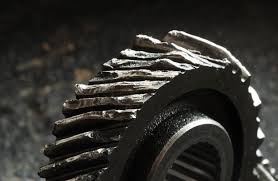
Lifting gear, appliances and drilling tools
Scope can include lifting gear, lifting appliances, cranes, derricks, winches, rigging hardware, drilling handling tools and selected critical load path equipment, with inspection focused on identification, WLL, condition, wear, corrosion, deformation and suitability for continued use.
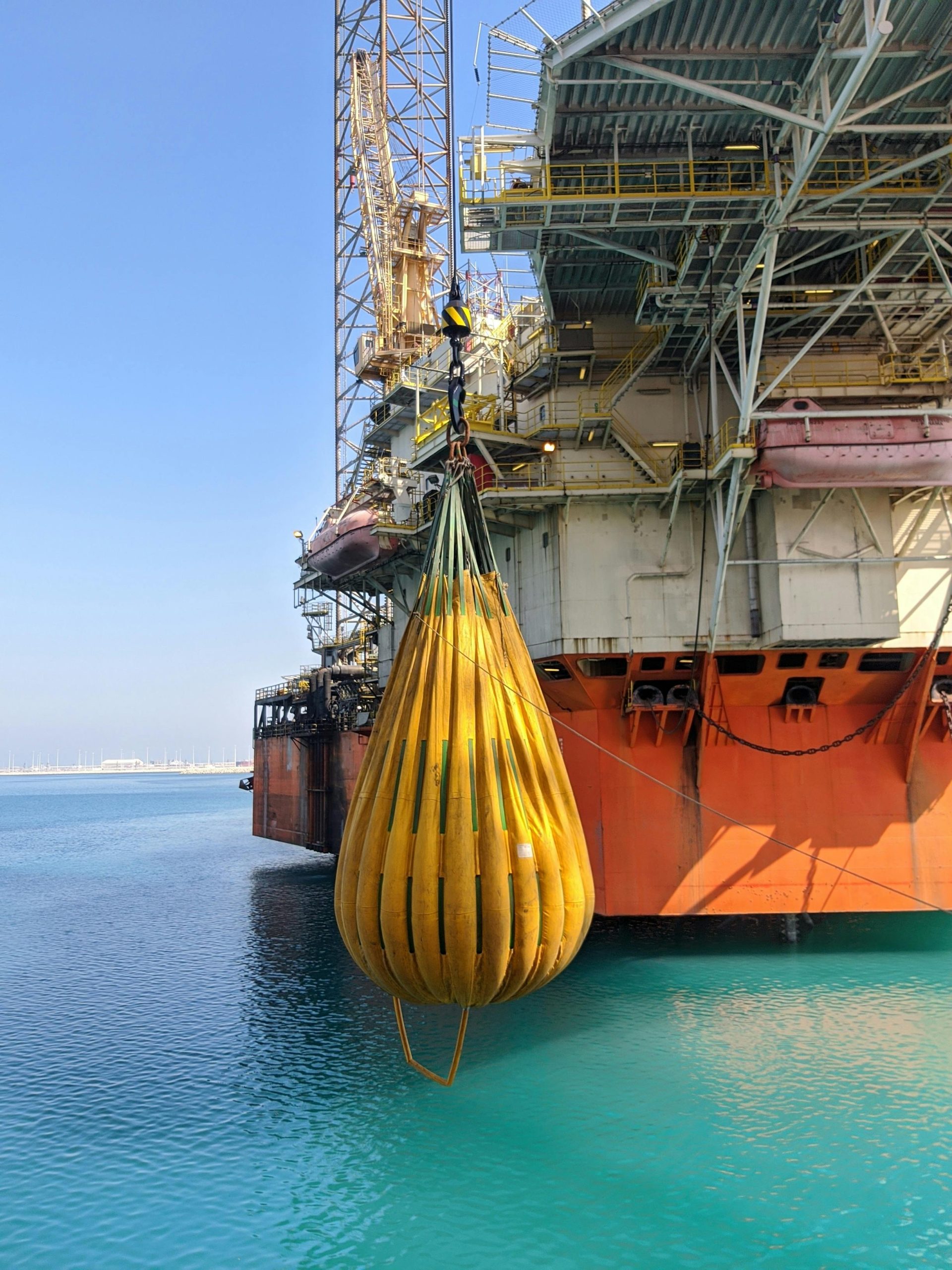
Proof load testing and load calibration
Where required by scope, proof load testing and load calibration are carried out using water bags or certified test weights with calibrated load measuring equipment, defined hold time and post-test examination of critical load-bearing areas.
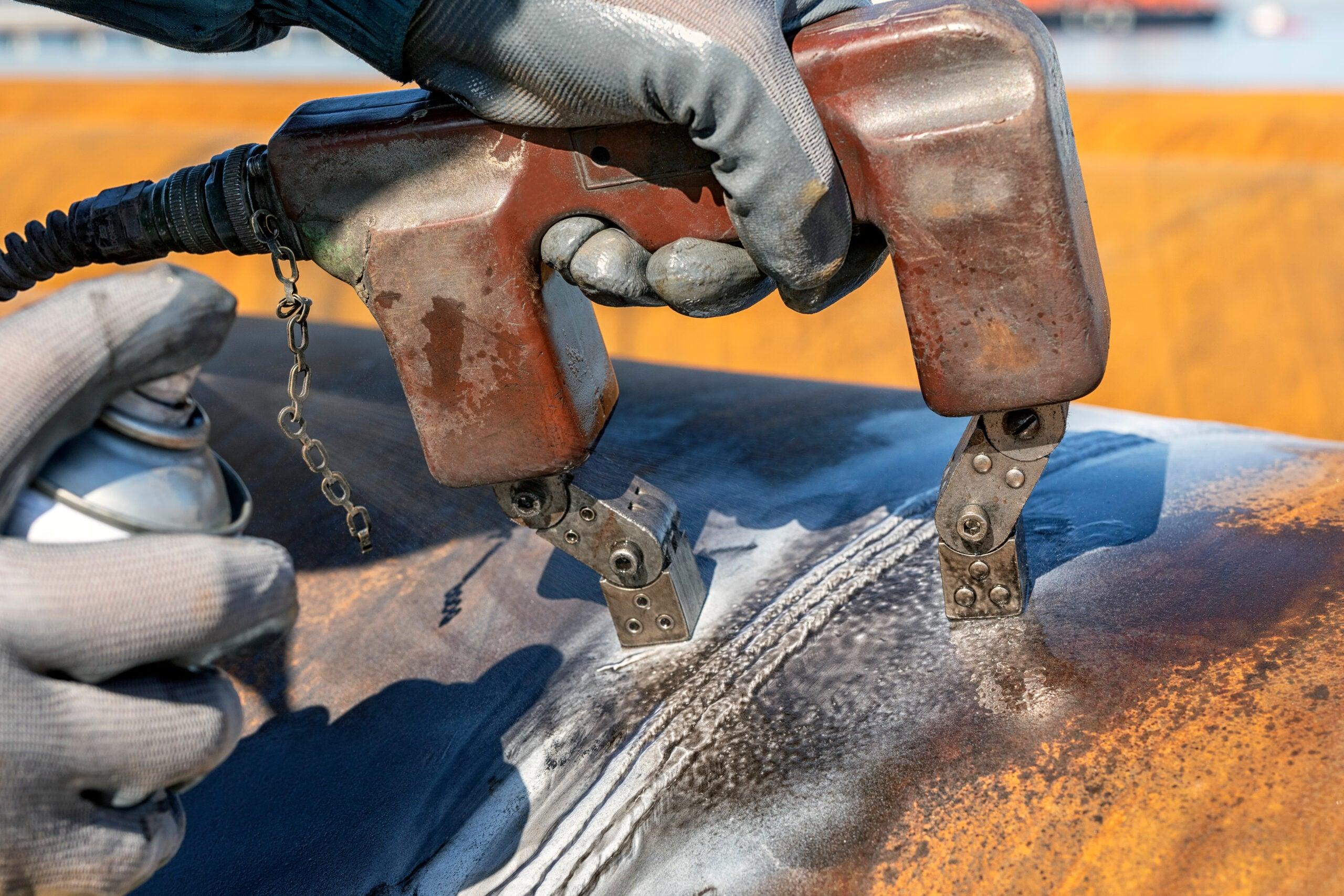
NDT on critical load-bearing areas
MPI, DPI, UTG or eddy current inspection may be applied to load-bearing welds, lifting points, sheaves, pins, grooves and other critical areas before or after testing, depending on equipment type, condition and scope.
What good control looks like
- Equipment identification matches certificate and equipment record
- WLL marking is correct and legible
- Lifting gear, appliances, cranes, winches, drilling tools and scoped load path equipment are accounted for
- Inspection, testing and NDT results are recorded against each item
- Certified equipment is clearly colour coded and traceable
- Rejected equipment is removed from use and quarantined
Where lifting control breaks down
- Equipment cannot be traced to a valid certificate
- Missing or unclear item ID and WLL marking
- Register does not match equipment in use
- Cranes, winches, drilling tools or load path equipment sit outside inspection scope
- Testing completed but not tied to equipment records
- Rejected or out-of-date equipment remains in circulation
Equipment categories commonly encountered offshore
This scope is broader than loose lifting gear. It can include lifting appliances, cranes, derricks, winches, rigging hardware, drilling handling tools, fixed lifting points, containers, baskets and selected critical load path equipment where identification, condition, certification and testing determine whether the equipment can remain in use.
Inspection focus
- Item number, WLL and visible marking condition
- Certificate status, inspection interval and colour code or tag status
- Wear, cracks, elongation, corrosion, deformation and mechanical damage
- Bolted and welded load-bearing connections
- Holes, bearing surfaces, hooks, latches, sheaves and running surfaces
- Wire rope condition, termination integrity and routing
How the work is executed
Review
Confirm scope, equipment list, previous reports, current certificates, inspection interval and current records before work starts.
Inspect
Identify equipment, verify WLL and thoroughly examine condition, wear, damage, corrosion and critical load-bearing areas.
Test
Carry out proof load testing or load calibration where required using calibrated load cells and certified test equipment.
Verify with NDT
Apply NDT on load-bearing welds, lifting points and other critical areas where required by scope, condition or certifying authority.
Record outcome
Issue inspection and test outcome against the correct equipment and record whether it is certified, rejected or quarantined.
Equipment that cannot be verified against identification, certification or test record, or confirmed as fit for use within the current colour code cycle, is rejected and removed from service.
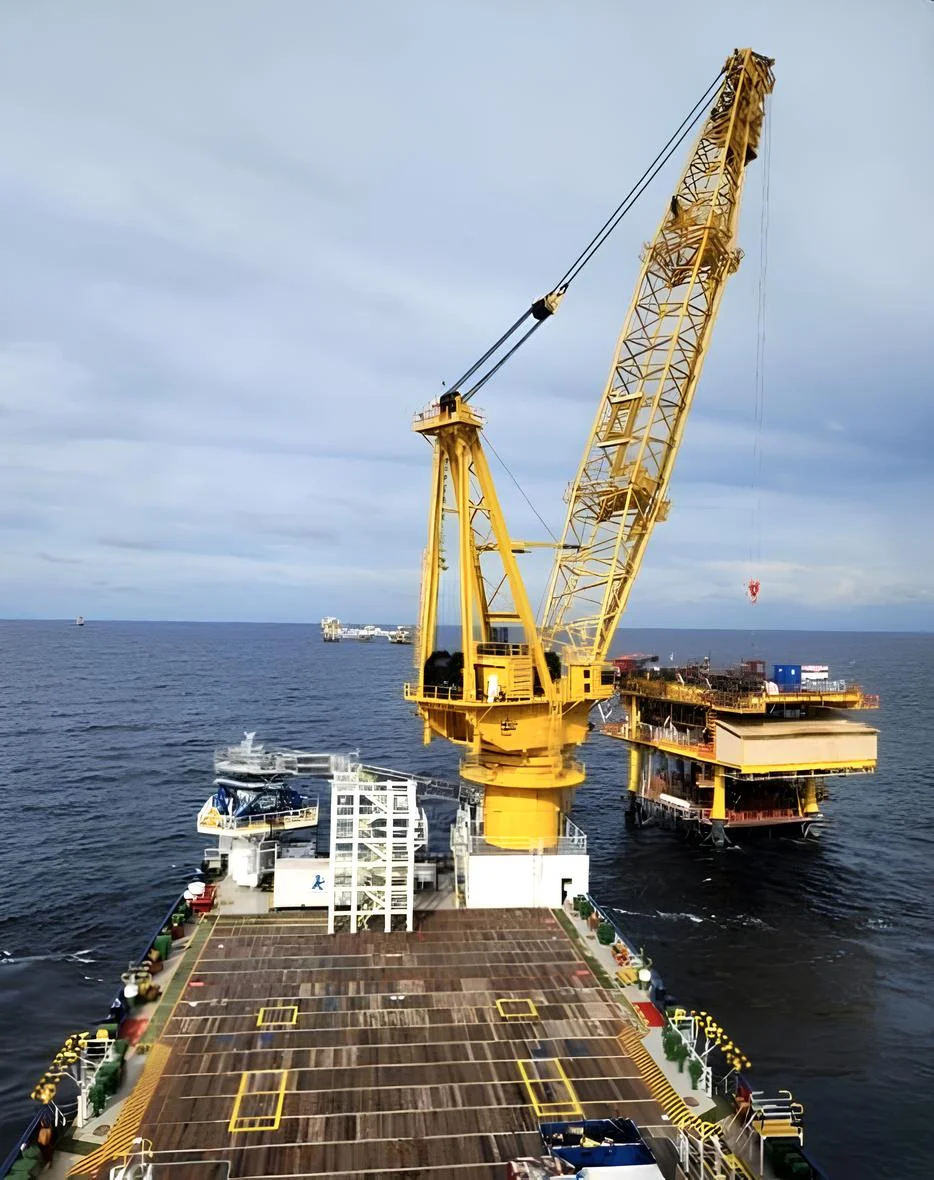
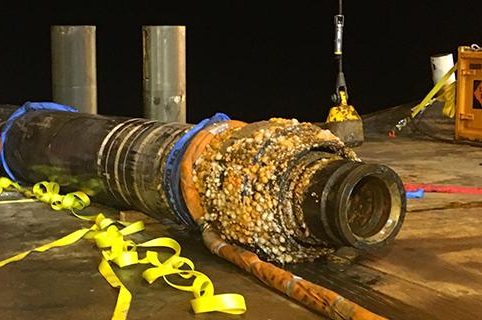
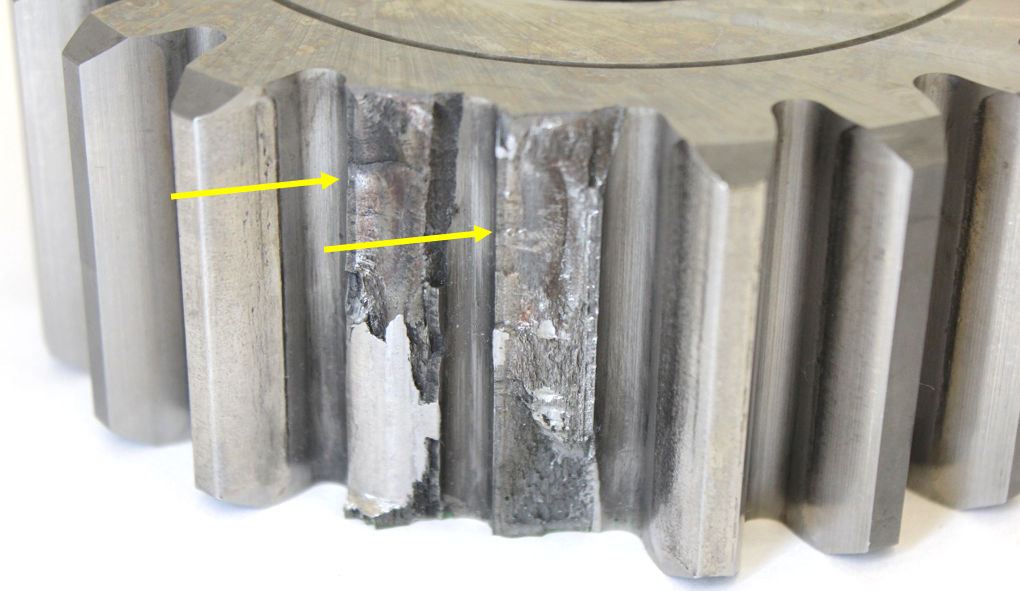
Padeyes and lifting points are inspected as lifting equipment
Padeyes and fixed lifting points are subject to inspection and thorough examination of hole condition, plate thickness, weld condition, corrosion, alignment and supporting structure. They are not treated as background steelwork when they are carrying load.
Where required, proof load testing is carried out using controlled load application with calibrated equipment, followed by post-test examination. NDT may be applied before and after testing depending on scope and condition.
Typical padeye inspection
- Visible ID and WLL marking tied back to the current record where applicable
- Cracks, nicks, gouges, wear and corrosion severity
- Hole smoothness, size, alignment and suitability for the intended shackle or pin
- Foundation weld condition and bolt condition where applicable
- Whether the supporting steel remains fit for the applied duty
- Whether repair, alteration or first use requires proof load testing and renewed certification
Inspection is carried out to the required equipment standards and class requirements
Inspection and certification requirements vary by equipment type and client procedure. Scope may draw on manufacturer data, recognised lifting standards and the relevant equipment standard for the item under review. For cranes, derricks, hoists, winches, containers, baskets, lifting points and custom fabricated equipment, this may also include drawing review, material records, proof load test certification and NDT before and after testing.


Where required, proof load testing is witnessed by a competent person from the certifying authority, carried out with calibrated load measuring equipment, and complemented by pre and post NDT on critical load-bearing components and high stress areas. Certified equipment is colour coded accordingly. Rejected equipment is removed from service and quarantined accordingly.
Need lifting equipment inspection, load testing or NDT before rig mobilisation?
MurphyEx executes thorough examination, testing and certification across lifting gear, lifting appliances, cranes, winches, drilling handling tools and selected critical load path equipment so the scoped equipment matches the required record and certification.